
HNTAS Overview
The Energy Act 2023 provides the powers for government to mandate heat network technical standards in Great Britain through regulations. DESNZ are introducing regulatory technical requirements and a Heat Network Technical Assurance Scheme (HNTAS) to help heat network operators demonstrate compliance with these requirements.
Objectives & Principles
Vision
Enable low-emissions, reliable and affordable heat to be delivered to UK communities via heat networks.

Aim
Develop a heat network technical assurance scheme that ensures a minimum level of performance and reliability for heat networks in the UK.
- Reduce carbon emissions and cost of heat by making heat networks more efficient
- Improve affordability by reducing capital and operational costs
- Improve consumer experience with improved reliability and quality of heat supplied
- Improve reputation and investor confidence in heat networks
- Build evidence through better data collection and reporting on technical quality

Objectives
- Reduce carbon emissions and cost of heat by making heat networks more efficient
- Improve affordability by reducing capital and operational costs
- Improve consumer experience with improved reliability and quality of heat supplied
- Improve reputation and investor confidence in heat networks
- Build evidence through better data collection and reporting on technical quality

Core Principles
- Outcomes orientated
- Preventative
- Proportionate
- Deliverable
- Adaptable

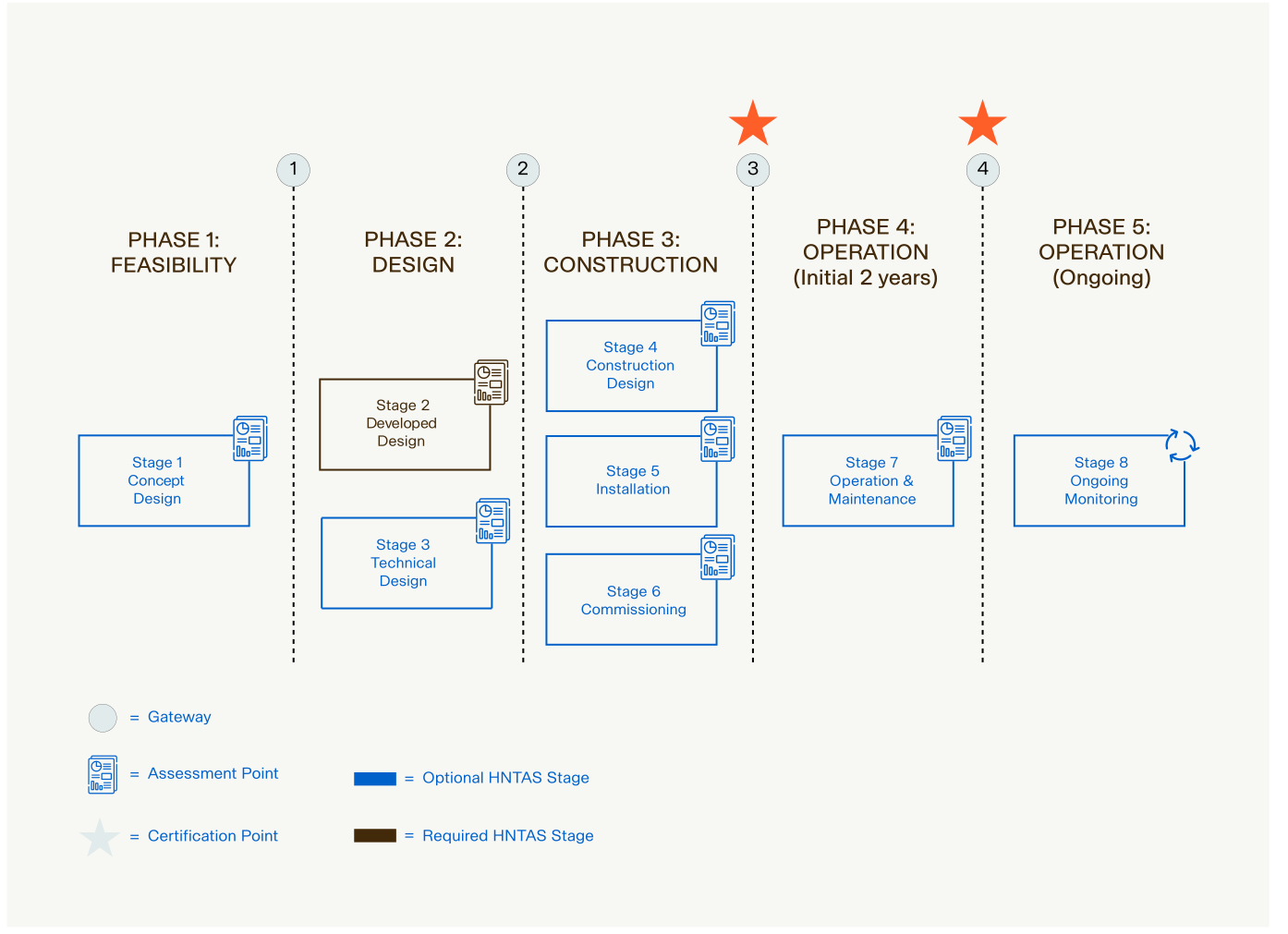
Gateways for progression
For new networks an assessment pass will be required at 3 key points in a heat network’s lifecycle:
- before a network is allowed to start design
- before starting construction
- before starting operation
An assessment pass will also be required after 2 years of operation to ensure that performance levels continue to meet requirements.
HNTAS Assurance Scheme
Existing Networks
For existing networks, assessments will be required after a set period to ensure performance levels meet requirements. The existing stock of communal and district heat networks will also have a significant transition period to get the right metering in place, to be able to prove performance. Final performance thresholds will be set at a more permissive level for existing networks and these networks will be given time to reach these.